Emerging Red Flags Homebuyers Must Watch for in 2026
- Monty Iceman

- Dec 17, 2025
- 4 min read
Buying a home is one of the most significant investments many people make. In 2026, the housing market continues to evolve, and with it, new challenges and risks have emerged. Buyers must be vigilant to avoid costly mistakes. This post highlights the latest red flags that homebuyers should watch for to protect their investment and ensure a smooth purchase.
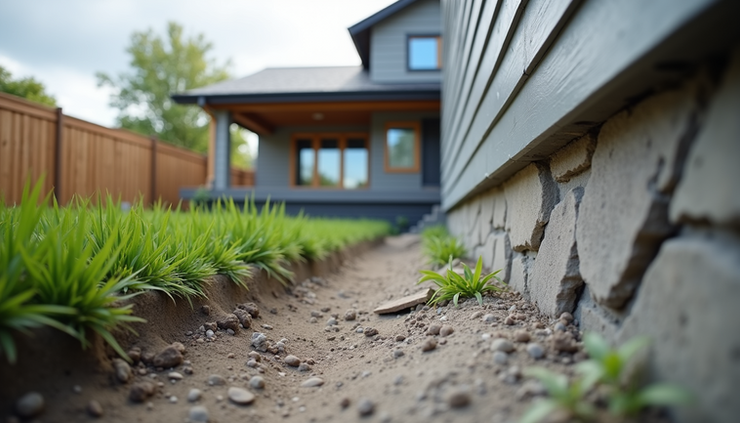
Foundation and Structural Issues Hidden by Quick Fixes
One of the most critical concerns in 2026 is the rise of superficial repairs masking serious foundation or structural problems. Sellers and contractors sometimes apply cosmetic fixes like patching cracks with paint or covering damage with new siding. These quick fixes can hide deeper issues such as:
Foundation settling or shifting
Water damage weakening support beams
Termite or pest damage compromising wood structures
Buyers should insist on a thorough inspection by a qualified structural engineer, especially if the home is older or located in areas prone to soil movement or flooding. Look beyond surface appearances and ask for detailed reports on foundation health.
Outdated or Unsafe Electrical Systems
With the increasing use of smart home devices and higher energy demands, outdated electrical systems pose a growing risk. Homes built decades ago may still have old wiring, insufficient circuit breakers, or lack grounding. These issues can lead to:
Fire hazards
Frequent power outages
Incompatibility with modern appliances
In 2026, homebuyers should request an electrical safety inspection. Signs to watch for include flickering lights, warm outlets, or circuit breakers that trip often. Upgrading electrical systems can be costly, so factor this into your budget.
Environmental Risks from Climate Change
Climate change has introduced new environmental risks that affect home safety and value. Buyers need to consider:
Increased flood zones due to rising water levels
Wildfire-prone areas expanding into new regions
Soil erosion or landslide risks on hillsides
Check local government flood maps and wildfire risk assessments. Ask sellers about recent weather-related damage or insurance claims. Homes in high-risk zones may require expensive insurance or mitigation measures.
Poor Indoor Air Quality and Hidden Mold
Indoor air quality is gaining attention as a health concern. Homes with hidden mold or poor ventilation can cause respiratory problems and allergies. Mold often grows behind walls, under floors, or in attics where moisture accumulates unnoticed.
Look for musty odors, water stains, or condensation on windows. Consider hiring a professional to test for mold spores and air quality. New building materials and insulation can sometimes trap moisture, so older homes may need upgrades to ventilation systems.
Unpermitted Renovations and Additions
Unpermitted work remains a common red flag. Sellers may have added rooms, decks, or converted garages without proper permits or inspections. These unapproved changes can:
Violate local building codes
Affect home insurance coverage
Lower resale value or cause legal issues
Request documentation for all renovations and verify permits with local authorities. If permits are missing, consider the cost and risk of bringing the work up to code.
Outdated Plumbing and Water Damage
Plumbing systems installed decades ago may use materials now known to cause problems, such as lead pipes or galvanized steel. These can lead to:
Water contamination
Frequent leaks or pipe bursts
Low water pressure
Signs of water damage include stains on ceilings or walls, warped floors, and a persistent damp smell. A plumbing inspection can reveal hidden leaks or corrosion. Replacing old plumbing can be expensive but necessary for safety.
Signs of Pest Infestation Beyond Termites
While termites are well-known, other pests like rodents, carpenter ants, and cockroaches are increasingly problematic. These pests can damage structures, contaminate food, and cause health issues.
Look for droppings, gnaw marks, or nesting materials in basements, attics, and crawl spaces. Ask about recent pest control treatments and check for warranties or service contracts.
Neighborhood Changes Affecting Property Value
Beyond the home itself, changes in the neighborhood can signal future problems. Watch for:
New industrial developments or warehouses nearby
Increasing crime rates or reports
Declining school quality or closures
Planned infrastructure projects causing noise or traffic
Research local news, zoning plans, and community forums. A home in a declining area may lose value or become harder to sell later.
Energy Efficiency and Rising Utility Costs
Energy efficiency is more important than ever as utility costs rise. Older homes without proper insulation, energy-efficient windows, or modern heating and cooling systems can lead to high monthly bills.
Request energy audits or utility cost histories. Consider the expense of upgrades like solar panels, heat pumps, or smart thermostats. Energy-efficient homes not only save money but also attract future buyers.
Digital Infrastructure and Connectivity Issues
In 2026, reliable internet and digital connectivity are essential. Some homes, especially in rural or newly developed areas, may lack access to high-speed broadband or fiber optic networks.
Check availability of internet providers and speeds in the area. Poor connectivity can affect remote work, streaming, and smart home devices. This factor is often overlooked but critical for modern living.
For more info: MontyIceman@aol.com 818 521-2568 TopLARealEstate.com


Comments